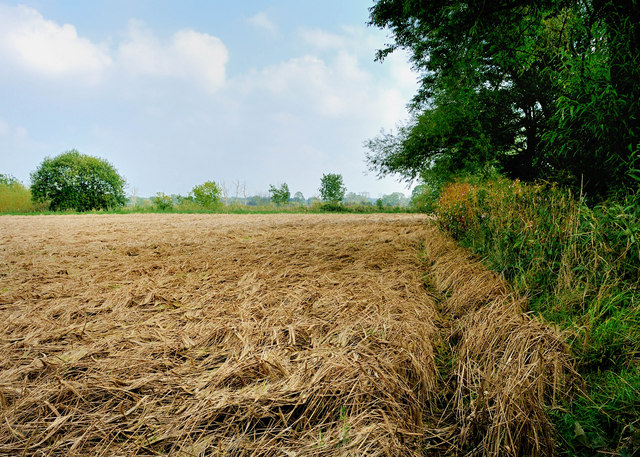
Millions of people across Sub-Saharan Africa face severe food insecurity by 2027, according to a recent report. The crisis is driven by ongoing conflicts, economic instability, and the effects of El Niño, which have disrupted harvests and access to food. South Sudan and Sudan are among the most affected regions, with conditions worsening as the year progresses.
The Famine Early Warning Systems Network (FEWS NET) warns that up to 155 million people could require food assistance. Droughts and erratic rainfall have damaged crops, while violence has further limited access to essential resources. In some areas, food prices have risen sharply, making it harder for families to afford basic necessities.
International aid organizations are working to respond to the growing need, but the scale of the crisis remains daunting. Efforts to provide emergency food supplies and support local agriculture are underway, but they face challenges such as funding shortages and security risks in conflict zones.
The situation highlights the urgent need for coordinated action to prevent a full-scale famine. Governments and humanitarian groups are calling for increased support to address both immediate hunger and long-term food security.