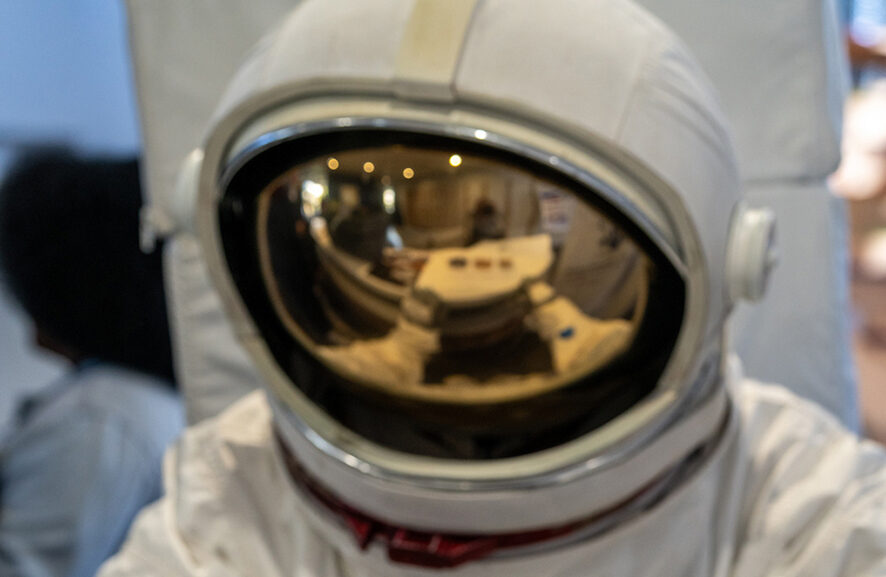
South Africa is set to send seeds of the indigenous Rooibos plant to the International Space Station as part of a scientific initiative aimed at promoting STEM education. The mission, known as the Rooibos in Space project, will involve exposing the seeds to microgravity and space radiation for several weeks before they are returned to Earth. This experiment combines space-based plant science with hands-on STEM learning, offering students a unique opportunity to engage with real-world scientific research. The project is expected to take place later this year, marking a significant step in South Africa’s efforts to inspire the next generation of scientists and engineers. (sundayworld.co.za)
The initiative is part of broader efforts to integrate practical science into educational curricula, emphasizing the importance of experimentation and innovation. By sending Rooibos seeds to space, researchers hope to gather data on how microgravity affects plant growth, which could have implications for agriculture and space exploration. The project also aims to highlight the potential of indigenous South African plants in scientific research, reinforcing the country’s commitment to leveraging its natural resources for educational and technological advancement.
The Rooibos in Space project is being supported by various scientific institutions and educational bodies in South Africa, underscoring the collaboration between academia and space agencies. This kind of initiative not only enhances scientific literacy but also encourages young people to pursue careers in STEM fields. As the project moves forward, it is expected to serve as a model for similar educational programs in other countries. (sundayworld.co.za)